
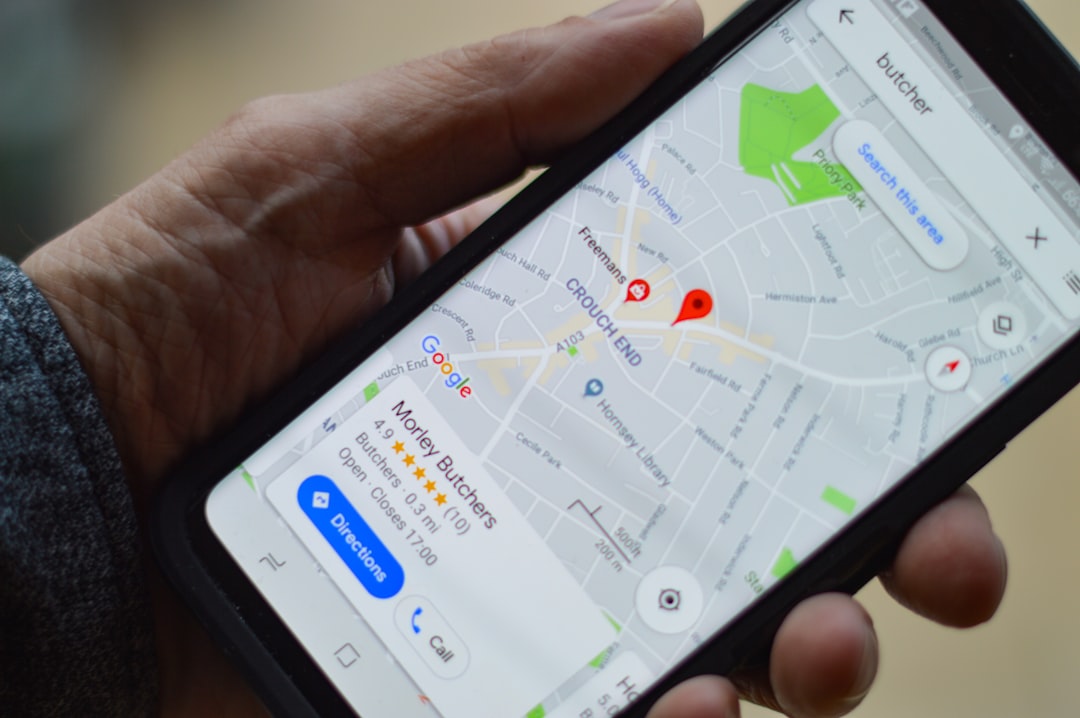
Local SEO for Doctors: Rank in Google Maps
Bottom Line Up Front
Local SEO for doctors is the difference between a full schedule and empty appointment slots. When patients search “cardiologist near me” or “urgent care open now,” Google’s local pack determines which practices get called first and which get overlooked entirely.
How Patients Find Doctors Online
Search Behavior Patterns and ‘Near Me’ Queries
Patient search behavior has fundamentally shifted toward location-based queries. While patients once searched for “best dermatologist,” they now search “dermatologist near me” or “skin doctor downtown Chicago.” This evolution makes local SEO for doctors essential rather than optional.
Emergency and urgent care searches drive immediate action. A patient experiencing chest pain searches “cardiologist near me” expecting to find available appointments within days, not weeks. Specialty searches follow similar patterns — “pediatric dentist near me,” “orthopedic surgeon [city name],” “walk-in clinic open Sunday.”
The proximity factor weighs heavily in medical searches. Patients prioritize convenience alongside clinical expertise, especially for routine care, follow-ups, and non-emergency visits. Even patients willing to travel for specialized procedures often start with local searches to understand their options.
Google Local Pack and Map Pack Mechanics
Google’s local pack displays the top three practices for location-based medical searches. This prime real estate appears above organic search results, making it the most valuable digital marketing space for physicians.
The local pack pulls information from multiple sources: Google Business Profiles, practice websites, physician directories, and patient review platforms. Google’s algorithm weighs relevance, distance, and prominence when determining which practices appear in the coveted three-pack.
Relevance measures how well your practice matches the search query. A family medicine practice optimized for “primary care doctor” will outrank a specialist for that specific search. Distance calculates proximity between the searcher’s location and your practice address. Prominence evaluates your practice’s overall online authority through reviews, citations, and website quality.
The Role of Physician Directories in Local Rankings
Healthcare-specific directories carry significant weight in local search algorithms. Platforms like Healthgrades, Vitals, WebMD, and DoctorAdvisor provide authoritative signals that Google trusts when ranking medical practices.
These directories serve dual purposes: they appear in search results themselves and they strengthen your practice’s citation profile. A complete, accurate listing on major physician directories improves your chances of ranking in Google’s local pack.
Specialty-specific directories matter too. Dermatology practices benefit from American Academy of Dermatology member directories. Orthopedic surgeons should claim profiles on American Academy of Orthopaedic Surgeons platforms. These niche directories provide relevant, authoritative backlinks that boost local search performance.
Mobile vs. Desktop Search Differences
Mobile searches account for the majority of “near me” medical queries. Patients search on smartphones while driving to urgent care, sitting in waiting rooms, or discussing symptoms with family members at home.
Mobile search results prioritize different factors than desktop searches. Click-to-call functionality becomes crucial — mobile users want to phone your office immediately rather than navigate to your website first. Google Business Profile phone numbers must match your website and directory listings exactly.
Mobile searchers also rely heavily on map functionality. They need clear directions to your office, accurate address information, and real-time updates about office hours. A practice with excellent desktop SEO but poor mobile optimization loses patients at the moment they’re ready to schedule.
Google Business Profile Mastery
Complete Setup Checklist with Every Field
Your Google Business Profile serves as your practice’s digital storefront. Incomplete profiles signal unprofessionalism and reduce local search visibility. Every field matters for local SEO for doctors.
Start with basic information accuracy. Your practice name must match exactly across your website, business cards, and all online directories. Address formatting should follow postal service standards — abbreviate “Street” as “St.” consistently, include suite numbers where applicable.
Phone number selection requires strategic thinking. Use your main office line rather than answering service numbers. If you have multiple locations, each needs its own Google Business Profile with location-specific phone numbers.
Business hours need regular maintenance. Update holiday schedules, vacation closures, and seasonal hour changes immediately. Patients calling during posted business hours expect someone to answer.
Category and Attribute Selection Strategy
Primary category selection determines when your practice appears in search results. Choose the most specific category available: “Cardiologist” rather than “Doctor,” “Pediatric Dentist” rather than “Dentist.”
Secondary categories allow broader reach while maintaining relevance. A family medicine practice might select “Family Practice Physician” as primary with “Internal Medicine Physician” and “Sports Medicine Physician” as secondary categories.
Attributes provide additional search visibility opportunities. Enable “Accepts new patients” if you have appointment availability. Add “Women-owned” or “Veteran-owned” if applicable. Wheelchair accessibility, parking availability, and language options help patients find practices that meet their specific needs.
DoctorAdvisor Pro Tip: Use Google’s “Services” feature to list specific procedures and treatments. Instead of generic “cardiology services,” list “echocardiogram,” “stress testing,” “cardiac catheterization,” and “pacemaker implantation.” Patients search for specific procedures, and detailed service listings capture these targeted queries.
Photo Strategy: What to Upload and How Many
Visual content significantly impacts local search performance and patient decision-making. Practices with professional photos receive more clicks, calls, and appointment requests than those with minimal visual content.
Upload exterior photos showing your building entrance, signage, and parking areas. Patients need to identify your office location easily, especially in medical complexes with multiple practices.
Interior photos should highlight your waiting room, exam rooms, and specialized equipment. Avoid patient areas during business hours to maintain privacy. Clean, well-lit spaces convey professionalism and quality care.
Staff photos build trust and familiarity. Include physicians, nurses, and front office team members with name tags or captions identifying roles. Patients prefer practices where they recognize faces before their first visit.
Equipment photos showcase capabilities and specialization. Dermatology practices should photograph laser equipment, dermoscopes, and modern treatment rooms. Cardiology practices benefit from echocardiogram machines, EKG equipment, and catheterization labs.
Google Posts and Q&A Optimization
Google Posts function like social media updates within your Business Profile. Regular posting signals active practice management and provides fresh content for patient engagement.
Health education posts perform well for medical practices. Share seasonal health tips, new treatment options, and preventive care reminders. Avoid specific medical advice while providing valuable health information.
Practice updates keep patients informed about new physicians, expanded services, or facility improvements. Announce new equipment acquisitions, office renovations, or additional appointment availability.
Monitor and respond to Questions & Answers sections actively. Patients ask about insurance acceptance, appointment availability, and specific services. Prompt, accurate responses demonstrate patient service quality and provide additional keyword optimization opportunities.
Website Optimization for Local Search
Location Pages and Multi-Location Strategy
Single-location practices need dedicated location pages highlighting address, contact information, driving directions, and parking details. Include neighborhood landmarks and public transportation options for urban practices.
Multi-location practices require individual pages for each office. Avoid duplicate content by highlighting location-specific information: unique services offered at each site, location-specific physician schedules, and area demographics served.
Location page content should include local keywords naturally. A practice in downtown Seattle might mention “convenient to South Lake Union,” “serving Capitol Hill residents,” or “accessible via Seattle streetcar.”
Physician Schema Markup Implementation
Schema markup provides search engines with structured data about your practice and physicians. Medical schema includes physician credentials, specialties, accepted insurance plans, and office locations.
Implement LocalBusiness schema for practice information and Person schema for individual physicians. Include medical license numbers, board certifications, medical school education, and residency training where appropriate.
Review schema markup helps search engines display star ratings in search results. Positive reviews with schema markup improve click-through rates and local search rankings.
Service-Specific Landing Pages
Create dedicated pages for each major service your practice provides. Rather than listing “cardiology services” on one page, develop separate pages for “echocardiogram testing,” “cardiac stress testing,” and “heart catheterization.”
Service pages capture long-tail searches when patients research specific procedures. Include procedure explanations, preparation instructions, insurance coverage information, and appointment scheduling links.
Optimize service pages for local search by mentioning your location and surrounding areas served. “Our downtown Denver cardiac catheterization lab serves patients throughout the Front Range” incorporates location-specific keywords naturally.
Mobile Optimization and Page Speed
Mobile optimization directly impacts local search rankings and patient experience. Google prioritizes mobile-friendly websites in local search results, especially for smartphone users seeking immediate medical care.
Page speed affects both search rankings and patient behavior. Slow-loading websites lose potential patients who abandon pages before content appears. Optimize images, minimize plugins, and use fast hosting services.
Click-to-call functionality must work seamlessly on mobile devices. Display phone numbers prominently and ensure they dial correctly with a single tap. Include multiple contact options: main office line, appointment scheduling, and after-hours numbers where appropriate.
Directory and Citation Strategy
Directories That Matter for Medical Practices
Healthcare-specific directories provide the most value for medical practice local SEO. Healthgrades, Vitals, WebMD, and DoctorAdvisor reach patients actively searching for physicians and carry significant authority with search engines.
Insurance company directories matter immensely for patient acquisition. Maintain accurate profiles on all accepted insurance provider directories. Patients often start physician searches through their insurance company websites.
Specialty organization directories boost credibility and search visibility. Board certification directories, medical society member listings, and professional association profiles provide authoritative citations that strengthen local search performance.
Local business directories remain relevant for medical practices. Better Business Bureau, Chamber of Commerce, and city business directories provide location-specific citations that support local search rankings.
NAP Audit Process and Tools
Name, Address, and Phone (NAP) consistency across all online platforms significantly impacts local search performance. Inconsistent information confuses search engines and reduces ranking potential.
Conduct quarterly NAP audits using tools like BrightLocal, Moz Local, or manual searches. Document every directory listing, review platform, and citation source mentioning your practice.
Common NAP inconsistencies include abbreviated versus spelled-out street names, suite number variations, and phone number formatting differences. Choose standard formatting and apply it consistently across all platforms.
Address changes require immediate attention across all directories. Medical practices relocating offices must update hundreds of citations to maintain local search visibility.
DoctorAdvisor Profile Optimization
DoctorAdvisor serves as a comprehensive physician directory where patients research doctors by specialty, location, and credentials. Complete profiles improve search visibility and patient trust.
Include detailed practice descriptions highlighting specialties, treatment approaches, and patient populations served. Avoid generic language in favor of specific information that helps patients understand your expertise.
Upload professional photos of physicians and office locations. Add office hours, insurance information, and appointment scheduling details. Complete profiles receive priority placement in DoctorAdvisor search results.
Healthcare-Specific Link Building
Medical practices require careful link-building strategies that comply with healthcare advertising regulations and medical board guidelines. Focus on educational content and community involvement rather than promotional materials.
Guest posting on medical association blogs, health system publications, and local healthcare newsletters provides authoritative backlinks. Share clinical expertise through educational content rather than practice promotion.
Community involvement generates natural local links. Health fair participation, medical school guest lectures, and healthcare charity involvement often result in local organization websites linking to your practice.
Professional relationships with hospitals, surgery centers, and other medical practices can provide referral links when appropriate and compliant with anti-kickback regulations.
Measuring Local SEO Success
Tracking Rankings, Calls, and Direction Requests
Local SEO measurement requires tracking multiple metrics beyond traditional search rankings. Patients interact with medical practices through various touchpoints: phone calls, direction requests, website visits, and appointment scheduling.
Track local pack rankings for your primary keywords using tools like BrightLocal, SEMrush, or manual searches from different locations. Monitor rankings for “near me” queries and location-specific searches.
Phone call tracking reveals local SEO impact on patient acquisition. Use call tracking numbers on directory listings to measure which platforms generate the most patient inquiries.
Direction requests indicate serious patient intent. High direction request volumes suggest strong local search visibility and accurate location information.
GBP Insights Interpretation
Google Business Profile Insights provide valuable data about patient search behavior and local SEO performance. Views, actions, and phone calls reveal how patients discover and interact with your practice.
Search queries show which terms patients use to find your practice. Discovery searches (“pediatrician near me”) indicate new patient acquisition opportunities. Direct searches (practice name) suggest existing patient engagement or referral traffic.
Action metrics include website clicks, direction requests, and phone calls. Compare these metrics across time periods to identify trends and optimization opportunities.
Photo views indicate patient interest in your practice facilities and staff. Popular photos suggest content that resonates with potential patients.
Attribution: From Search to Appointment
Connecting local SEO efforts to actual appointments requires careful tracking and patient intake procedures. Train front desk staff to ask new patients how they found your practice.
Implement appointment scheduling software that tracks referral sources. Online scheduling systems often include fields for “How did you hear about us?” that provide valuable attribution data.
Monitor website analytics for local search traffic. Google Analytics shows which keywords and pages drive website visits from search engines.
Compare local SEO metrics with appointment scheduling patterns. Increases in local search visibility should correlate with new patient appointment volume.
Comparison Table: Metrics by Practice Stage
| Practice Stage | Primary Metrics | Secondary Metrics | Success Indicators |
|---|---|---|---|
| New Practice (1-3 years) | Local pack rankings, GBP views, direction requests | Website traffic, phone calls | Consistent local visibility, increasing patient inquiries |
| Growing Practice | Phone calls, appointment bookings, review volume | Ranking improvements, citation growth | Higher call volume, positive review momentum |
| Established Practice | Patient acquisition cost, lifetime value | Competitive rankings, referral traffic | Efficient patient acquisition, market dominance |
| Multi-Location Practice | Location-specific metrics, consolidated reporting | Cross-location comparisons | Consistent performance across all locations |
FAQ
How long does it take to see local SEO results for a medical practice?
Local SEO improvements typically show initial results within 6-12 weeks, with significant improvements developing over 3-6 months. Google Business Profile optimizations often show faster results than website changes. New practices may see quicker initial gains, while established practices competing in saturated markets require longer optimization timelines.
Should medical practices pay for Google Ads if they have good local SEO?
Local SEO and Google Ads serve complementary purposes for medical practices. Strong organic local SEO provides sustainable, long-term patient acquisition. Google Ads offer immediate visibility for new practices or specific service promotion. Most successful practices use both strategies, with Google Ads supporting local SEO efforts during competitive periods.
How important are patient reviews for local SEO rankings?
Patient reviews significantly impact both local search rankings and patient decision-making. Google considers review quantity, quality, and recency when determining local pack placement. Focus on encouraging satisfied patients to leave honest reviews rather than manipulating review systems, which violates medical advertising guidelines and platform terms of service.
Can multiple physicians in the same practice have separate Google Business Profiles?
Individual physicians should not create separate Google Business Profiles for the same practice location. This creates duplicate listings and confuses search engines. Instead, list all physicians within the practice’s main Google Business Profile. Physicians with multiple practice locations can have separate profiles for each office where they see patients.
What local SEO strategies work best for telemedicine practices?
Telemedicine practices should focus on service area optimization rather than specific location targeting. Optimize for “telehealth [specialty]” and “[state] telemedicine” keywords. Create location pages for each state where you’re licensed to practice. Maintain Google Business Profiles for any physical office locations, even if primarily offering virtual consultations.
How do medical practice mergers affect local SEO?
Practice mergers require careful local SEO management to preserve search visibility for both original practices. Maintain separate Google Business Profiles for different locations while consolidating websites when appropriate. Update all directory listings with new practice names and ownership information. Monitor rankings closely during transition periods to address any visibility decreases promptly.
Action Plan & Conclusion
Implementing effective local SEO for doctors requires systematic execution rather than random optimization attempts. Start with these three priority areas that deliver the fastest patient acquisition results.
Week 1: Google Business Profile Optimization
Claim and complete your Google Business Profile with accurate NAP information, professional photos, and comprehensive service listings. Enable messaging, update business hours, and add all relevant categories and attributes.
Week 2-3: Directory Citation Audit
Conduct a complete NAP audit across major physician directories including Healthgrades, Vitals, WebMD, and insurance company databases. Update inconsistent information and claim missing profiles on healthcare-specific platforms.
Week 4+: Content and Measurement
Develop location-optimized service pages for your primary treatments and procedures. Implement call tracking and Google Analytics to measure local SEO impact on patient inquiries and appointment scheduling.
Local SEO success requires ongoing attention rather than one-time optimization. Regular monitoring, consistent citation management, and patient review engagement create sustainable competitive advantages in increasingly crowded medical markets. Practices that master local search visibility control their patient acquisition destiny rather than hoping referrals materialize.
Claim your free physician profile on DoctorAdvisor.com — over 1.2 million patients search our directory every month for doctors by specialty, location, and credential. Your NPI-verified profile is already live. Claim it to add your practice description, office hours